


Until recently, Greece was on track to achieve its CO₂ emissions reduction target of 55% by 2030, thanks to lignite phase-out and the rapid expansion of renewable energy. However, Nikos Mantzaris, energy policy analyst and co-founder of The Green Tank, warns that power sector emissions in 2025 are expected to reach 15 million tons, compared to the 10.2 million tons projected in the National Energy and Climate Plan (NECP).
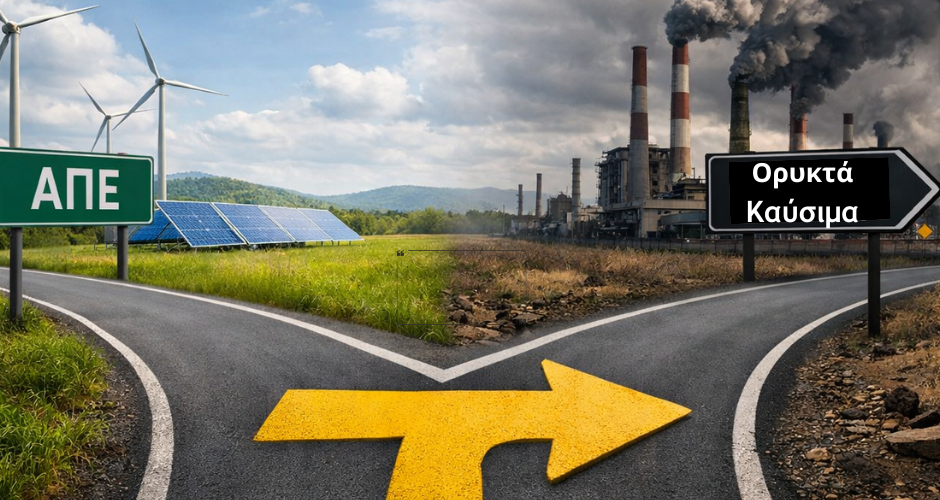
In an exclusive interview with mononews.gr to Marina Protonotariou, Nikos Mantzaris explains that Europe today is navigating with a “dual compass”: while it continues to pursue decarbonization and the energy transition, it simultaneously allows room for a return to fossil fuels. This dual approach undermines climate goals and poses significant risks to both the economy and energy security.
He emphasizes that delays in meeting climate targets could cost precious time and resources. The power sector, being the most mature for rapid decarbonization, is key: missing the target here will jeopardize Greece’s ability to meet the overall NECP 2030 goals.
The interview also highlights the influence of external factors, such as the US-EU fossil fuel import agreement, which conflicts with key EU directives under the “Fit for 55” package and limits the effectiveness of the EU Emissions Trading System (ETS).
Mantzaris stresses that while the energy transition requires substantial investment, it also delivers multiple benefits: lower energy costs, strengthened renewable energy deployment, support for households and businesses, and protection of European industry from the impacts of climate change. The real question, he argues, is not how much the transition costs, but how much inaction would cost us.
Read the full interview with Nikos Mantzaris on mononews.gr [in Greek] here.


