


12/11/2026
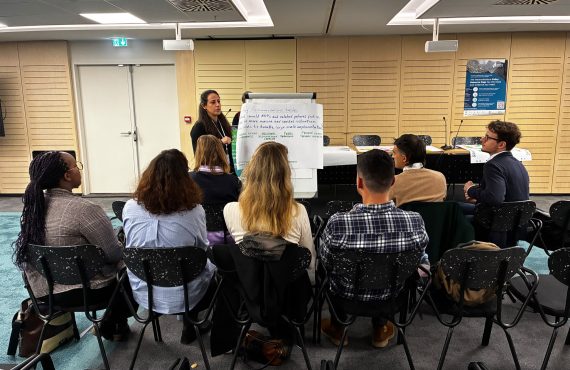
How can nature-based solutions help restore marine and coastal ecosystems at scale? And what policy changes are needed to turn Europe’s commitments to nature restoration into action? These questions were at

How can nature-based solutions help restore marine and coastal ecosystems at scale? And what policy changes are needed to turn Europe’s commitments to nature restoration into action? These questions were at
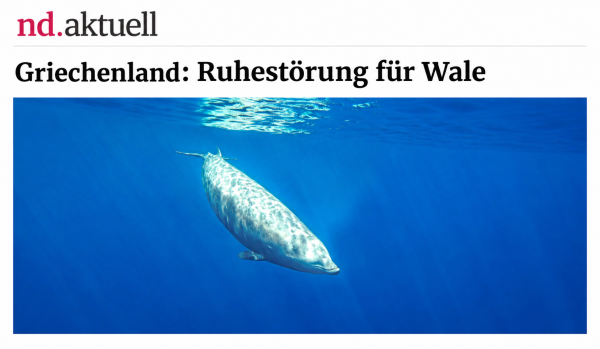
Plans to explore for and potentially extract fossil gas south of the Peloponnese and Crete pose risks to vulnerable marine mammals, while also raising questions about Greece’s climate commitments and
In this issue, we explore the challenges and choices shaping the transition to a sustainable future. From electricity prices, renewables and fossil gas to nature conservation, marine ecosystems and the
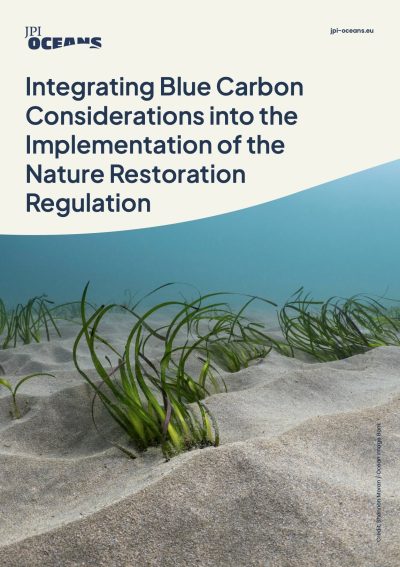
Integrating blue carbon ecosystems into National Nature Restoration Plans, improving their monitoring and strengthening policy coordination are key to ensuring their effective restoration. This is highlighted in a new policy
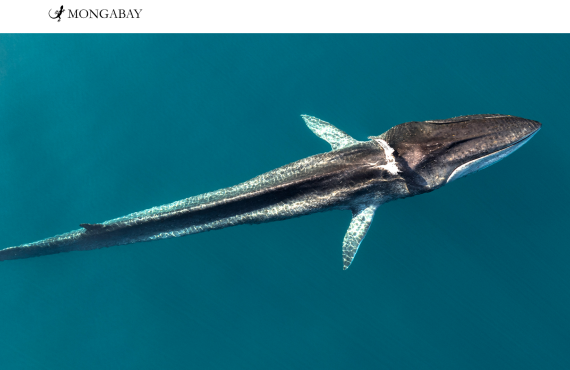
Ship strikes are the leading human-induced threat to endangered sperm and fin whales in the Mediterranean. A special feature by Mongabay examines the scale of the threat, as well as

In an interview with ESG+ Stories, Ioli Christopoulou, Policy Director and co-founder of The Green Tank, discusses the need to rethink how we measure wealth and well-being. She explains why

Nature Credits and new approaches to financing nature protection and restoration were the focus of an article published in To Vima tis Kyriakis on 23 August 2026.
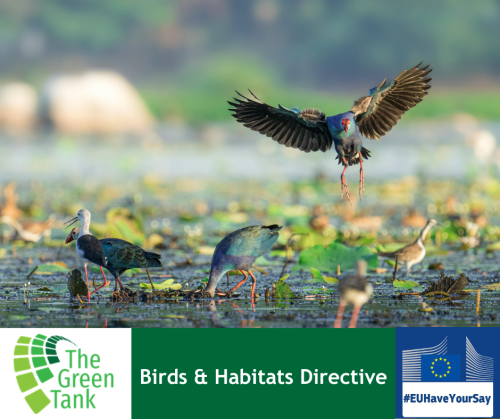
The Green Tank participated in the European Commission’s public consultation on the future of the EU Birds and Habitats Directives (Nature Directives), which closed on 10 August 2026.
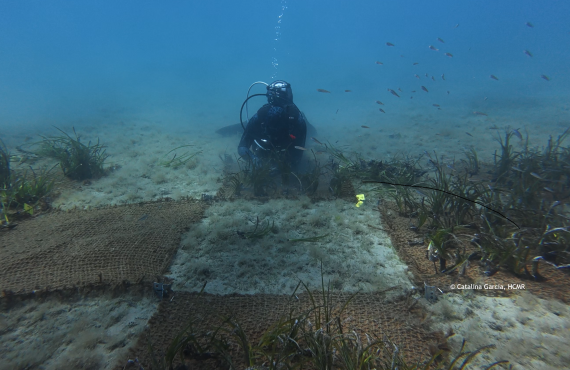
The ARTEMIS documentary series takes viewers on a journey across the Mediterranean, showcasing how science, innovation, policy and local communities can work together to protect and restore some of the
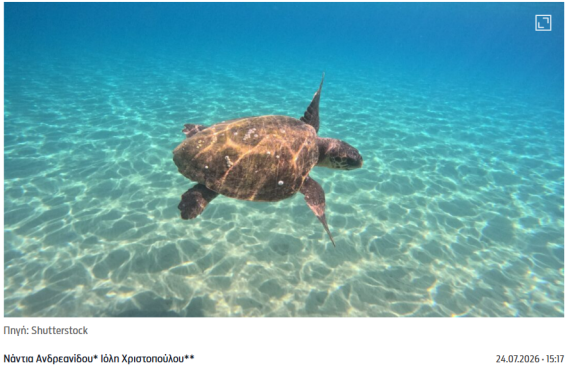
In a joint op-ed published in Kathimerini, Nadia Andreanidou (MEDASSET) and Ioli Christopoulou (The Green Tank) highlight the vital role of the LIFE Programme—the EU’s only funding instrument dedicated exclusively


