


The Green Tank Newsletter #3 | July-September 2026
In this issue, we explore the challenges and choices shaping the transition to a sustainable future. From electricity prices, renewables and fossil gas to nature conservation, marine ecosystems and the future of lignite regions, we look at the developments shaping the energy transition and the path towards a fairer, more sustainable future.
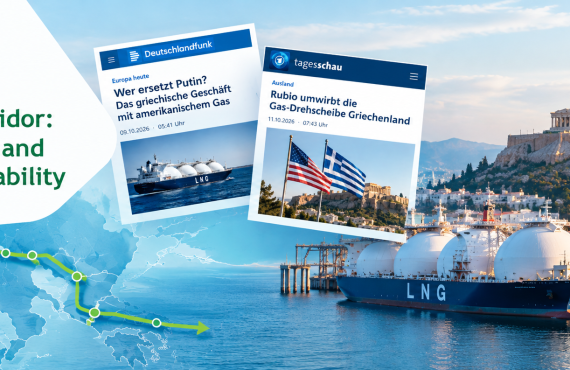
The Green Tank’s report on the Vertical Corridor featured in German media
Europe aims to end all Russian gas imports by November 2027. Greece aspires to play a central role in this effort, becoming a gateway for US liquefied natural gas (LNG) to Southeastern and Central Europe through the Vertical Corridor. But how much of this new infrastructure is actually needed, and what will it cost consumers? These questions were explored in two German media reports by Jasper Riemann featuring Nikos Mantzaris, Policy Analyst Lead and co-founder of The Green Tank.
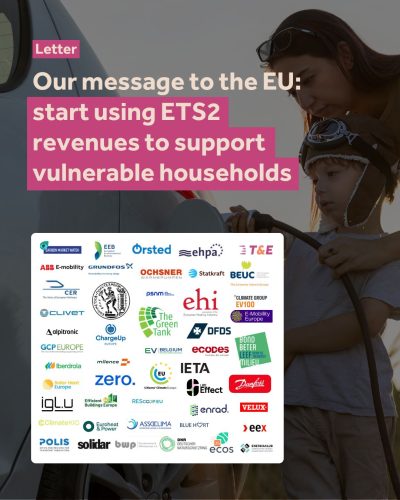
Joint letter calling for the implementation of ETS2 in 2028 without further delay
More than 50 companies, business associations and civil society organisations, including The Green Tank, have co-signed a joint letter calling on EU Member States to implement ETS2 in 2028, as agreed, without further delay. The Green Tank has signed the letter both as an organisation and as part of the LIFE Effect consortium.
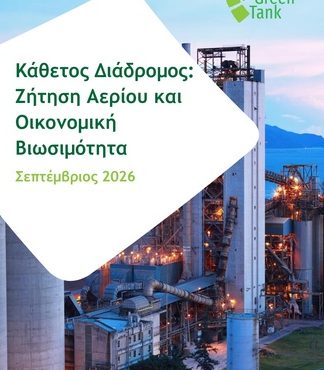
Vertical Corridor: Are New LNG Infrastructure Projects Really Needed?
A new analysis by The Green Tank, titled “Vertical Corridor: Gas Demand and Economic Viability,” examines whether existing and planned LNG infrastructure in Greece is needed to meet future fossil gas demand in the region through 2040. It also assesses the economic competitiveness of gas transit via the Vertical Corridor compared with routes from other entry points to Ukraine and Hungary.
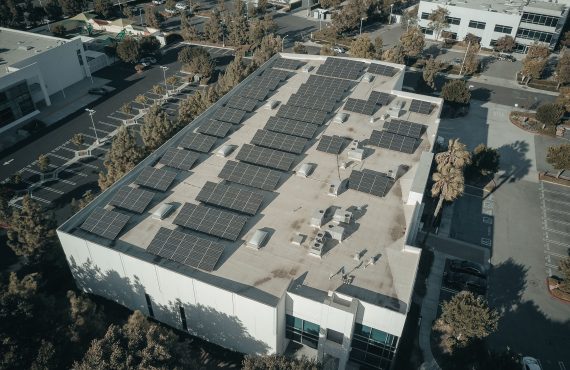
The Green Tank comments on the new Just Transition Programme 2021–2027 measures
The Green Tank submitted comments to the Special Managing Authority for the Just Development Transition on two implementation documents included in the 11th written procedure of the Just Development Transition Programme (JTP) 2021–2027.

How much do electricity exports cost us?
The Green Tank’s new analysis , titled “Electricity exports from fossil gas: the cost to the Greek market and the climate”, quantitatively examines the impact of this additional use of fossil gas for electricity exports on Greece’s wholesale electricity market and on emissions from the power sector.
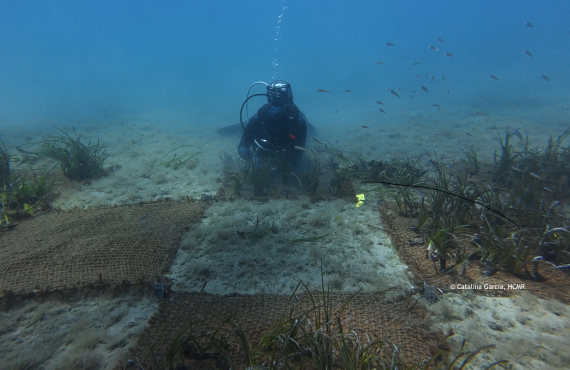
Bringing Life to the Mediterranean: The ARTEMIS Documentary Series on Seagrass Restoration
The ARTEMIS documentary series takes viewers on a journey across the Mediterranean, showcasing how science, innovation, policy and local communities can work together to protect and restore some of the region's most valuable marine habitats: seagrass meadows.
The Green Tank Newsletter #2 | April-June 2026
In this issue, we bring together the latest highlights from our work on energy, climate, nature and Just Transition. From Posidonia seagrass meadows and marine ecosystems to electricity prices, carbon emissions and fossil gas, and from power generation to buildings, transport and industry, we connect the different pieces of a transition that is moving forward—but not always at the same pace for everyone.

Just Transition Newsletter #11
The eleventh issue of The Green Tank's newsletter has been published, covering developments over the past six months related to the Just Transition of lignite regions in Greece and across Europe (January–June 2026).
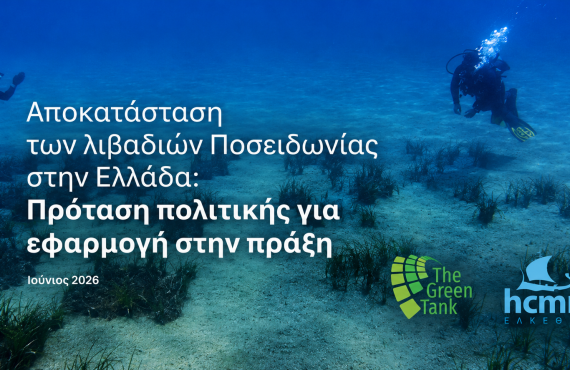
New policy recommendations for restoring Posidonia meadows in Greece and across the Mediterranean
As EU Member States prepare their National Restoration Plans under the EU Nature Restoration Regulation and engage in negotiations on the priorities of the 2028–2034 Multiannual Financial Framework, a new report from the Interreg Euro-MED ARTEMIS project highlights what is needed to move from the legal protection of Posidonia meadows to the systematic implementation of restoration actions at national and Mediterranean scale.
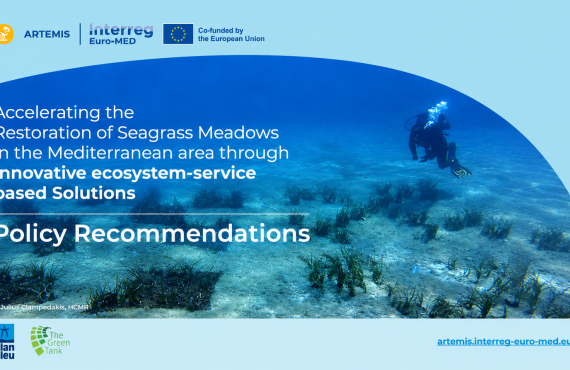
From Ambition to Action: New Policy Recommendations for Restoring Mediterranean Seagrass Meadows
The restoration of Mediterranean seagrass meadows must move from fragmented pilot projects to long-term, large-scale action supported by coherent governance and sustainable financing, according to the new report released by the Interreg Euro-MED ARTEMIS project.
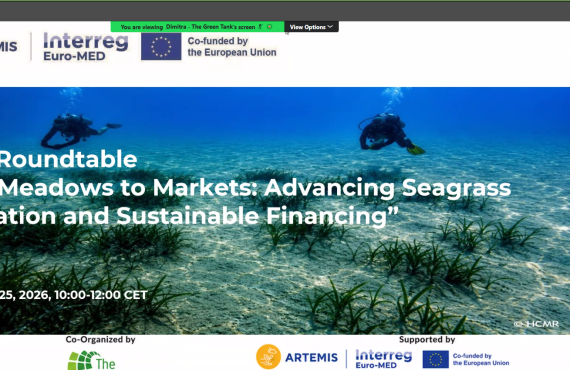
From Meadows to Markets: Advancing Seagrass Restoration and Sustainable Financing
How can the EU scale up the restoration of Mediterranean seagrass meadows? This and more were the central questions explored during the online policy roundtable "From Meadows to Markets: Advancing Seagrass Restoration and Sustainable Financing", co-hosted by MEP Dimitris Tsiodras and organised by The Green Tank in the framework of the ARTEMIS Interreg Euro-Med project on June 25, 2026.

Citizen participation in the energy transition is losing momentum: Slowdown in energy communities and self-generation
Energy communities and self-generation are the main tools enabling citizens, local communities, and small businesses to actively participate in the energy transition. However, the latest data point to a continuing slowdown, both in the development of new projects and in the implementation of existing applications. The Green Tank’s 9th review of energy communities and self-generation in Greece analyses the latest available data from HEDNO, IPTO and GEMI, highlighting the most important trends.
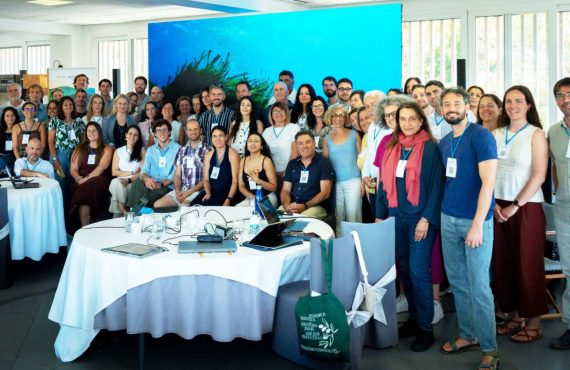
The Green Tank at the ARTEMIS Final Conference in Menorca: Policy and Financing for Seagrass Restoration Take Centre Stage
From 8 to 10 June 2026, The Green Tank joined fellow partners and associated stakeholders at the final conference of the Interreg Euro-MED ARTEMIS project in Menorca, Spain, contributing to discussions on advancing seagrass restoration across the Mediterranean.


