


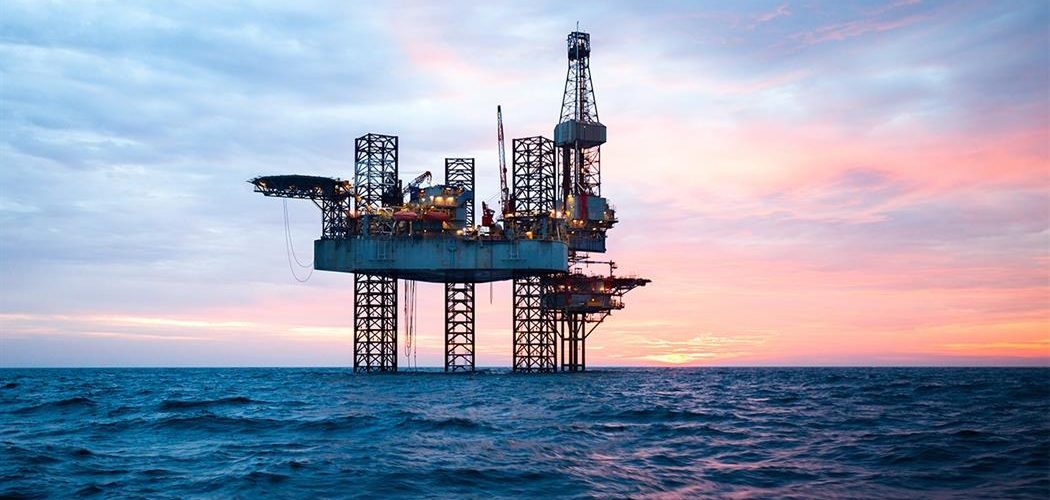
Recent government announcements on hydrocarbon exploration in the Ionian Sea have been presented as a pathway to Greece’s energy autonomy. However, as Nikos Mantzaris, energy policy analyst and co-founder of The Green Tank, points out on Inside Story, the available evidence shows that this choice runs counter to both the country’s climate commitments and the public interest.
First, adding new oil and gas reserves further undermines the achievement of European climate targets and exacerbates the climate crisis.
At the same time, the promised economic and energy benefits are highly uncertain. Even if commercially viable reserves are discovered, “the gas extracted will not be used to meet Greece’s domestic needs, but will be sold to whichever markets the companies exploiting the field decide,” explains Nikos Mantzaris. Public revenues would depend on the companies’ net profits. Under the most optimistic scenario, based on statements by the head of the Hellenic Hydrocarbon Resources Management Company (HHRM), these revenues would average no more than €200 million per year — a figure far lower than Greece’s annual revenues from the EU Emissions Trading System (ETS), which exceeded €1 billion in 2024.
As Nikos Mantzaris stresses: “even in purely economic terms, protecting the climate is more profitable than destroying it through fossil fuel combustion.”
Greece’s real energy security lies in accelerating renewable energy deployment, investing in energy storage, and decarbonising transport and industry — not in new fossil fuel extraction.
Read the full article [in Greek] here.


