


In a joint op-ed published in Kathimerini, Nadia Andreanidou (MEDASSET) and Ioli Christopoulou (The Green Tank) highlight the vital role of the LIFE Programme—the EU’s only funding instrument dedicated exclusively to nature, biodiversity, and climate action.
They explain why doing away with the programme under the next Multiannual Financial Framework would undermine the European Union’s ability to turn ambitious environmental legislation into tangible results on the ground, drawing on the LIFE MareNatura project as a compelling example.
Read the full article, published in Kathimerini [in Greek] on 24.07.2026, here.
Translated article in English below:
The Quiet Battle Over the EU’s LIFE Programme
While Europe strives to implement its own environmental legislation, the LIFE Programme, the only EU funding mechanism exclusively focused on biodiversity, nature conservation, and climate action, has been put at risk by the EU’s own hands.
For 34 years, the EU’s LIFE Programme has funded thousands of projects across Europe, turning ambitious policies into tangible results on the ground. Today however, as Brussels reshapes the EU budget around competitiveness, defense, and strategic autonomy, one of the EU’s most effective environmental instruments, risks being diluted.
The political argument, backed by over 100 organisations across Europe, and dozens of Members of the European Parliament, is not about preserving just another environmental budget line. It is about whether the EU wants to preserve one of its most effective implementation tools. The Nature Restoration Law and the European Green Deal, as a whole, will not succeed through legislation alone.
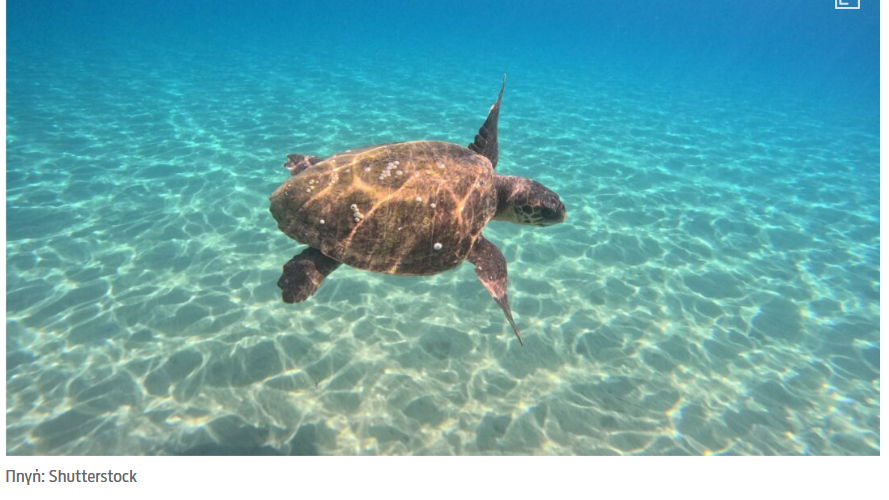
The LIFE MareNatura project is a case in point. One of the largest marine biodiversity conservation projects ever implemented in Greece and in Italy, it aims to identify biodiversity hotspots and support the expansion of the EU’s emblematic Natura 2000 network in the marine area, in line with the goals and targets of the EU Biodiversity Strategy for 2030. With co-financing from the EU LIFE Programme, research institutes, universities, NGOs, authorities and multiple stakeholders collaborate systematically to gather new knowledge, create new conservation tools, and inform policy decisions. This is an important opportunity that we cannot afford to lose.
At first glance, the debate surrounding the future of the EU’s LIFE Programme may appear to be just another technical institutional discussion over the EU’s 2028–2034 Multi-annual Financial Framework. In reality, it reflects a much broader political shift inside the European Union: a move away from specialised implementation tools and toward larger, more centralised funding structures. At stake is not simply the future of a funding programme, but the EU’s actual capacity to translate environmental ambition into measurable action.
From an institutional perspective, the logic behind simplification is understandable. Brussels is under growing pressure to streamline funding instruments, reduce administrative complexity and align spending with geopolitical priorities.
Global instability, however, is affecting the EU’s compass, shifting it away from core priorities that have raised its legitimacy across EU citizens and have secured for the EU a leading role in the global scene, and not just in terms of the economy.
Over the past decade, the EU has become increasingly effective at setting ambitious environmental and climate targets. However, implementation across member states remains uneven, fragmented, and politically fragile. That gap between policy design and territorial delivery is precisely where programmes like LIFE operate, and can make a difference. Without the LIFE programme, and the work undertaken by the LIFE-financed projects led by universities, NGOS, and other actors, the gap will widen and the EU risks losing its credibility in demonstrating that its targets can be delivered in practice.
It also risks losing its long-standing competitive advantage of bridging environmental and economic priorities. Right at the time when nature positive actions are gaining traction among corporates and investors, the EU considers reforming the one tool that pilots new ideas and tests them in the field.
Over the past decade, the EU has become increasingly effective at setting ambitious environmental and climate targets. However, implementation across member states remains uneven, fragmented, and politically fragile. That gap between policy design and territorial delivery is precisely where programmes like LIFE operate.
Europe cannot afford to weaken the only fund that protects endangered species and restores ecosystems, especially at a time when biodiversity collapse is accelerating. It would also risk undermining a key source of Europe’s competitive advantage: its ability to translate environmental ambition into innovation, deployment, and sustainable economic transformation.


