


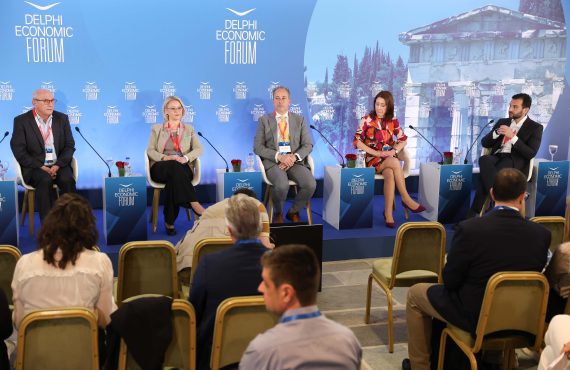
How to encourage citizens’ trust in the Green Transition?
Ioli Christopoulou discusses the findings of a Prorata survey on Greek citizens' attitudes and perceptions towards the climate crisis and energy transition during a Delphi Economic Forum IX panel.
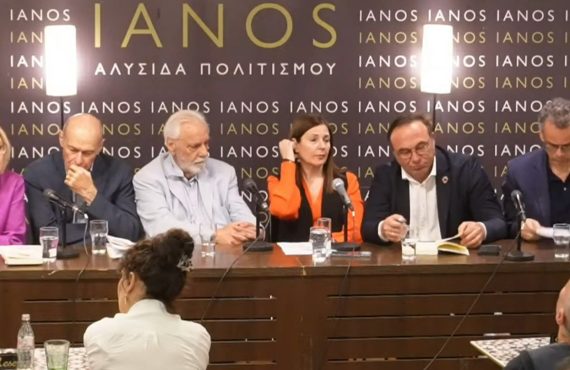
“Citizens are the greatest allies in the green transition” – Ioli Christopoulou at the presentation of the book “The world is burning – Change the system, not the climate”
The policy director of Green Tank was one of the speakers at the book presentation of Peter Kokkalis and Xenophon Kontiadis
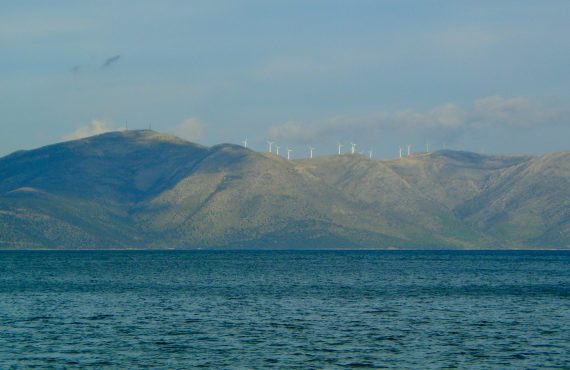
Record zero electricity prices in the first quarter of 2024, thanks to renewables
In a statement to AMNA news agency, Nikos Mantzaris explains what needs to be done in order to further increase the penetration of cheap RES in electricity production.
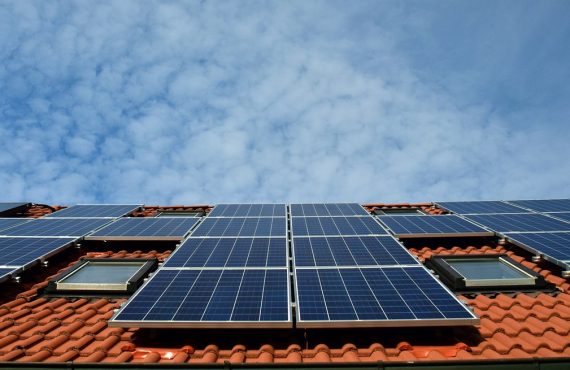
Greece shines in EU rooftop solar growth
Is the future looking bright for 11 EU Member States? Updated report by CAN Europe, with the contribution of The Green Tank.
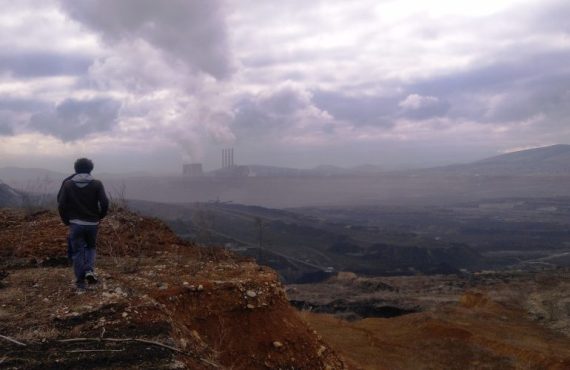
The carbon footprint of electricity production – February 2024
In the first two months of 2024, 2.4 million tonnes CO2 were emitted in Greece, down by 8.4% compared the same period in 2023 and -37.8% from the 5-year average.
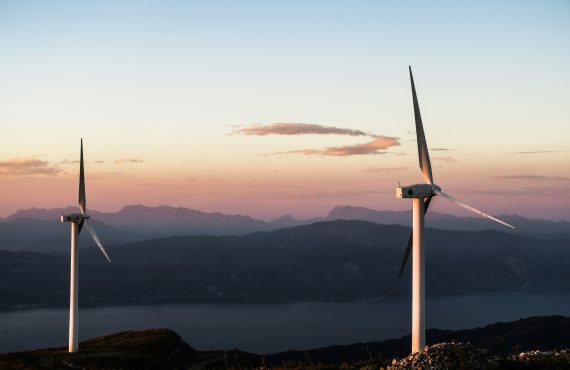
Is the Green Transition faltering?
Nikos Mantzaris was called to answer the titular question during an online panel by ELIAMEP.
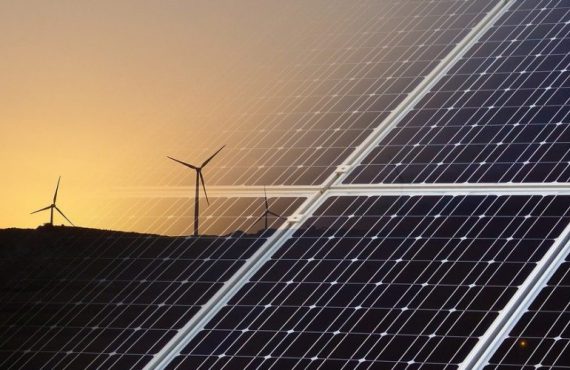
Trends in electricity production – February 2024
In the first two months of 2024, renewables approached 50% of the demand (47.7%). Together with large hydro they exceeded 55%.
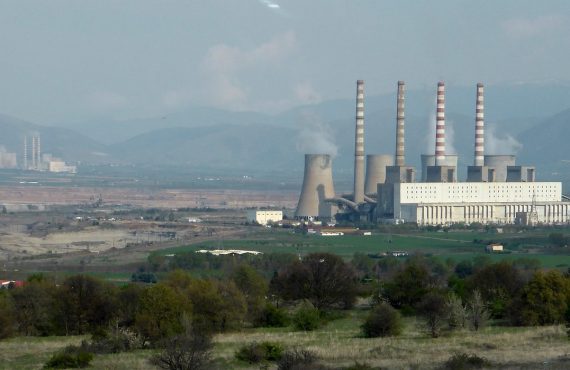
How a solution without gas for district heating in Western Macedonia can be both cheap and sustainable
Nikos Mantzaris was invited by Socrates Moutidis to the podcast of “Chronos Kozani”, where he explained why gas is a highly problematic “solution” for district heating in Western Macedonia.
Trends in fossil gas consumption & imports – February 2024
In the first two months of 2024, gas consumption increased by 30.1% compared to the same period in 2023. Greece fell to 23rd place in the EU-27 in terms of the voluntary reduction target (-15%) for the period April 2023-January 2024 and is 5 percentage points away from the target. The main source of gas imports is again Russia.
Can Greece decouple from fossil gas?
Longread by Nikos Mantzaris for Inside Story and Macropolis.
The carbon footprint of electricity production – January 2024
In January 2024, 1.28 million tonnes of CO2 were emitted, increasing by 6.2% from January 2023, decreasing by 40.6% compared to the five-year average.
Trends in electricity production – January 2024
In January 2024, renewables had the second highest monthly production historically (2,207 GWh), just behind the first in August 2023 (2,254 GWh). Together with large hydro, they covered almost 60% of electricity production and almost 57% of demand. Electricity consumption increased by 6.6% compared to January 2023.

On Greece’s new LNG infrastructure
Ioanna Souka explains why there is a serious risk that the planned new LNG infrastructure will end up being stranded assets for a news report by Energy Intelligence.

Measures to shield households against the energy and climate crisis
Analysis by The Green Tank and Facets examines 8 scenarios for the residential housing sector and 2 scenarios for the road transport sector and identifies the most efficient combinations of measures that will reduce both the carbon footprint and energy bills of households by 2030. The implementation of these measures can lead up to €1.6 billion annual economic benefits in 2030 for the Greek households, while also reducing emissions from both sectors by up to 7.1 million tonnes of CO2 in the same year.


