



Two years of REPowerEU: Positive developments and potential threats to Greece
The European Commission's assessment of Greece and Green Tank's comments.
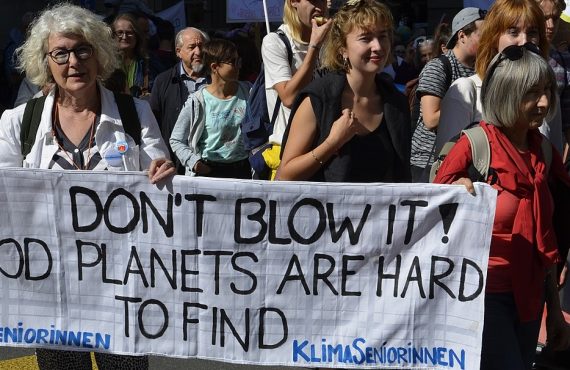
The impact of ECHR’s decision against Switzerland for Greece and the EU
Article by Aria Tzamalikou for Huffington Post Greece.
Trends in fossil gas consumption & imports – April 2024
In April 2024, Greece had 8 times more gas imports via Turkstream compared to April 2023, with a sharp decrease in LNG imports from Agia Triada.

New milestone for renewables in global production
Ioanna Souka commented on Ember’s recent review during a radio interview on “Euranet”.
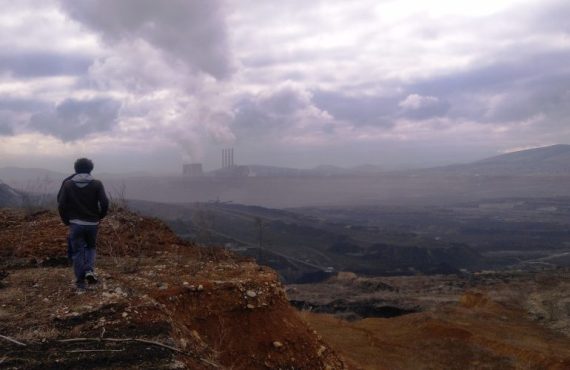
The carbon footprint of electricity production – March 2024
In the first three months of 2024, 3.54 million tonnes CO2 were emitted for electricity production, down 7.7% from the same period in 2023.
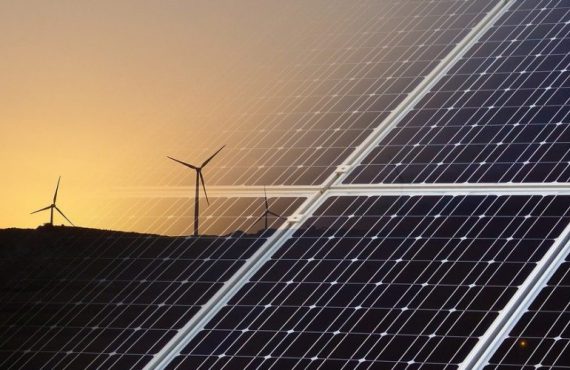
Trends in electricity production – March 2024
Renewables took the lead despite a 42.6% jump in fossil gas-fired power generation in the first quarter of 2024, compared to the same period in 2023.
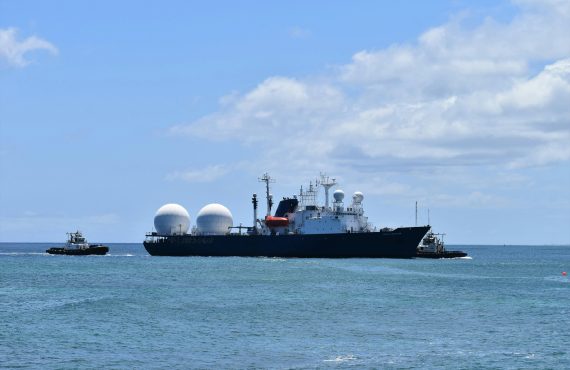
Plummeting Greek gas exports raise concerns about new LNG infrastructure
In an Energy Intelligence article, Ioanna Souka questions the viability of new LNG infrastructure and sees a potential risk to the progress of renewables in Greece.

For a truly just green transition, we need funding for structural changes not subsidies
In an InsideStory and MacroPolis article, Nikos Mantzaris describes policies to simultaneously reduce the carbon footprint and energy bills of households.
Attitudes on the Green Transition: How to turn disbelief into optimism
Article by Ioli Christopoulou on Huffington Post Greece, discussing a Prorata survey on citizens' perceptions of the climate and energy crisis, presented during the 9th Delphi Economic Forum.
Green hydrogen use in industry is a top priority for its decarbonization
Nikos Mantzaris talked about green hydrogen in an ERT3 TV show, on the occasion of the discovery of a large hydrogen deposit in Albania.
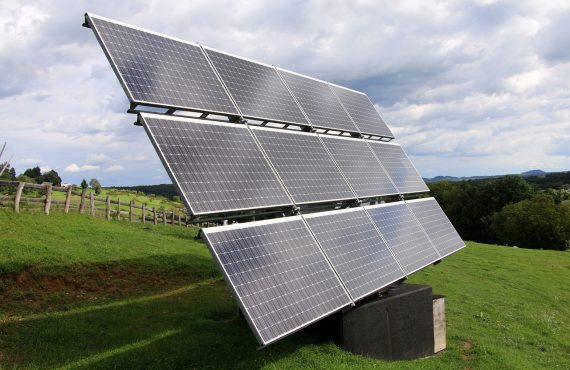
Self-production and energy communities: Why the Greek NECP is lagging behind
In view of the finalization of the National Plan for Energy and Climate, Ioanna Theodosiou, in an article in "NAFTEMPORIKI", explains why provisions with quantitative targets for self-production and energy communities are needed.
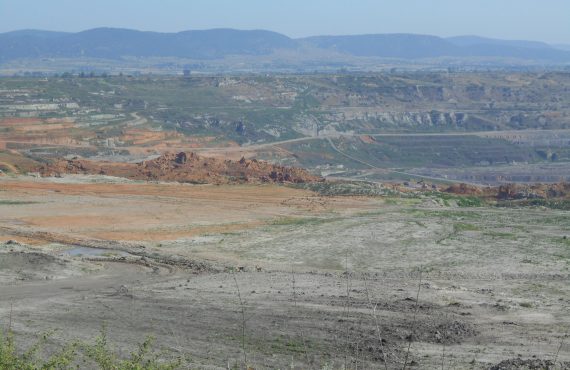
Ambiguities and delays in the transition of lignite areas
The Green Tank submitted comments and raised crucial questions in the public consultation of the Strategic Environmental Impact Assessments of the Special Urban Plans for the three main territories of Greece's Decarbonization Zones (Ptolemaida, Amyndeon and Megalopolis).

Trends in fossil gas consumption & imports – March 2024
Russian gas imported through the Sidirokastro gateway climbed to 1st place with a 43.3% share in the first 3 months of '24. Additionally, gas consumption in Greece increased by 30.9% compared to the same period of '23

Comments and recommendations by The Green Tank on the multi- bill by the Ministry of Environment and Energy
The draft law of the Ministry of Environment and Energy (MEEN) was put out for public consultation between 6 - 15 April 2024 and is titled "Regulations to address the multi-level impacts of climate change in the areas of: a) water management, b) forest management and protection, c) urban resilience and policy, d) combating unauthorized construction, e) energy security".


