


From 7.4 TWh to 1.8 TWh: Six Years of Progress in Phasing Out Lignite
It has been six years since the Prime Minister announced Greece’s full exit from lignite from the UN podium. Up until that decision, and during the first eight months of 2019, the country relied on 7.4 TWh of electricity from lignite. At any given hour of the year, at least one lignite unit was in operation, and the power sector emitted a total of 19 million tonnes of CO₂ over that eight-month period.
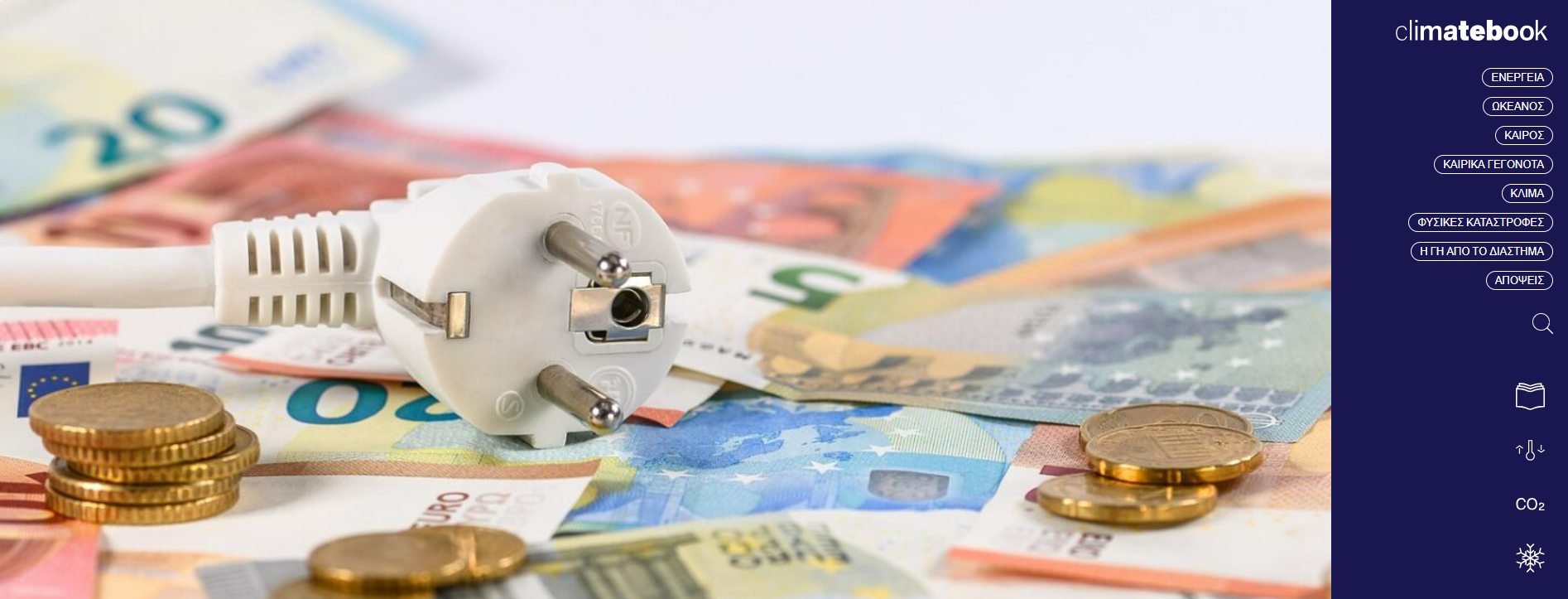
Carbon Tax on Heating and Road Transport: How Greece Can Turn €15.5 Billion into a Lever for Change
In an article on Climatebook.gr, Ioanna Souka analyzes the new EU carbon tax (ETS2) set to apply from 2027 to heating and road transport.

Climate Crisis & Human Rights: How Courts Are Shaping Climate Justice
The climate crisis is not just an environmental issue—it is a fight to protect fundamental human rights. In the article “Climate Crisis & Human Rights: When Justice Takes a Stand,” published in Huffington Post Greece, The Green Tank’s Communications Officer, Maria-Christina Doulami, examines how the impacts of climate change are increasingly reaching the courtroom.

Trends in fossil gas consumption & imports – August 2025
In August 2025, domestic gas consumption reached 5.34 TWh, down 16.4% compared to July due to reduced usage in all three sectors. However, in the first 8 months of 2025, the power generation sector reached a decade high of 32.7 TWh, +11% compared to 2024. Gas demand in networks also increased (+18%), reaching 8.8 TWh. In the eight-month period, the first source of imports was LNG with 21.2 TWh. In second place is Russian gas via Sidirokastro with 18.2 TWh, despite the large decrease in August (-40%) compared to July.

Preparation and challenges for Greece’s phaseout of Russian gas by 2027
Greece, one of the last EU member states still importing Russian natural gas under long-term contracts, is preparing to comply with the European Union’s target of a complete phaseout by the end of 2027, according to an Energy Intelligence article titled “Greece Prepares for Russian Gas Phaseout”, to which The Green Tank contributed.

The carbon footprint of electricity production – July 2025
In July 2025, carbon emissions from power plants reached 1.79 million tons, the highest in two years. Record emissions from fossil gas plants were recorded in the first 7 months of 2025 (5.05 million tons). During the same period, a total of 9.24 million tons were emitted from the power sector, already accounting for 90.5% of the annual carbon budget according to the NECP, making it practically impossible to reach the target.

Trends in electricity production – July 2025
Historical records for monthly electricity generation from RES (2,871 GWh) and fossil gas (2,494 GWh) were recorded in July 2025, while the average wholesale market price stood at 100.6 €/MWh. In the first seven months of 2025, lignite reached a new low (1,739 GWh), covering only 5.2% of demand. In contrast, gas reached a high for the same period (13,405 GWh), as did net exports (963 GWh) and RES curtailments (1,385 GWh).

ETS2 and Carbon Pricing: Challenges and Opportunities for a Fair Energy Transition in Greece
In the article titled “Carbon Tax through ETS2: New Burden or New Opportunity?”, published in the newspaper Epohi, Ioanna Souka, Energy Policy Analyst at The Green Tank, explores the social and economic challenges linked to the introduction of the new Emissions Trading System (ETS2) in Greece starting in 2027.

The Green Tank on Naftemporiki TV: Public participation and a just transition to clean energy
The energy transition is moving forward, but for it to be successful and fair, it needs genuine public participation and social acceptance. This was the central message of Ioanna Souka, energy policy analyst at The Green Tank, in her interview on Naftemporiki TV.
Trends in fossil gas consumption & imports – July 2025
Domestic gas consumption in July 2025 reached a quarterly high due to an increase in electricity (+19.4%) and networks (+4%). Gas demand in the first seven months hit a historic high of 41 TWh, with power generation accounting for 69.4%. Imports of Russian gas rose compared to the previous month, despite the EU’s plan to phase out Russian fossil fuels. In the seven-month period, LNG was the leading source of imports with 18.4 TWh, followed by Russian gas via Sidirokastro with 16.6 TWh.
The carbon footprint of electricity production – June 2025
In June 2025, the carbon intensity of power generation dropped to a historic low of 205.9 g CO2/kWh, driven by reduced lignite use and greater RES participation. However, total emissions in the first half of 2025 reached 7.43 million tons of CO2, a 5% increase compared to the same period in 2024, due to higher gas use, which accounted for 53% of emissions and reached a decade high. With only 2.75 million tons remaining in the annual carbon budget – just 27% of the NECP target (10.2 million tons) – Greece is off track to meet its goal.
Trends in electricity production – June 2025
In June 2025, renewables (RES) ranked first in electricity production with 2,507 GWh, despite significant curtailments (352 GWh – 12% of total monthly RES production). Domestic electricity demand reached 5,094 GWh, +22% compared to May. Nevertheless, the average market price remained low at 85.4 €/MWh. During the first half of the year, lignite covered just 5.2% of domestic demand – the lowest share in a decade. In contrast, gas-fired generation reached a ten-year high (10,925 GWh), while net electricity exports were also high (783 GWh).

“The energy transition needs social justice” – The Green Tank speaks at event on Energy Democracy
The importance of energy democracy and the need for a socially just energy transition were highlighted by Ioanna Souka, Energy Policy Analyst at The Green Tank, during her participation in the online event organized by the citizens’ initiative O Kosmos on July 24, marking the 51st anniversary of the restoration of democracy in Greece.

Green Transition and Social Justice: Greece Faces ETS2
Nikos Mantzaris spoke on Naftemporiki TV about the impacts of the new Emissions Trading System (ETS2) for buildings and road transport on vulnerable households, as well as the tools Greece has at its disposal to address them.


