


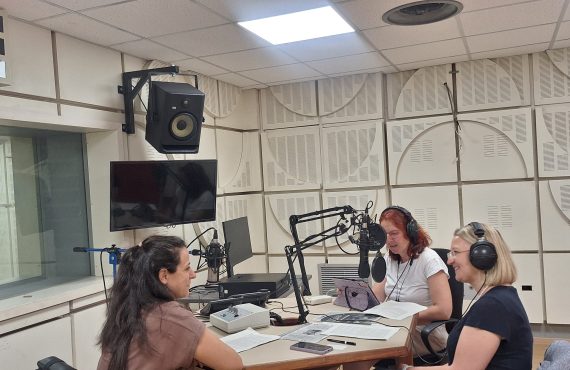
The Green Tank on ERT’s Infinitely Curious: Why Posidonia meadows matter for the Mediterranean
The Green Tank's Policy Director and co-founder, Ioli Christopoulou, and Nature Policy Associate, Dimitra Syrou, were guests on ERT's Infinitely Curious with Katerina Batzaki, where they discussed the ecological importance of Posidonia seagrass meadows and the urgent need to protect and restore them.
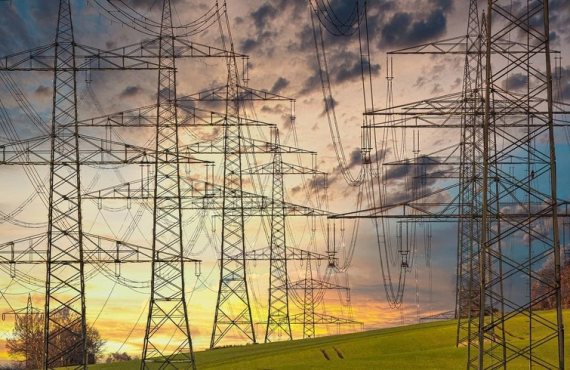
What’s Really Driving Greece’s Electricity Exports to Bulgaria?
Recent commentary has suggested that Greece exports surplus renewable electricity to Bulgaria during the middle of the day, when solar PV output peaks and wholesale electricity prices are low, only for Bulgaria to store part of this electricity and sell it back to Greece at a higher price after sunset. While this narrative has gained…
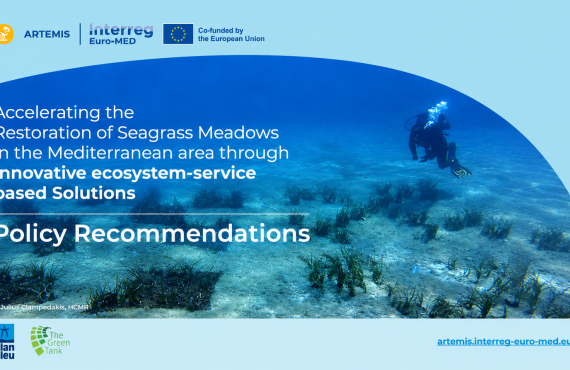
From Ambition to Action: New Policy Recommendations for Restoring Mediterranean Seagrass Meadows
The restoration of Mediterranean seagrass meadows must move from fragmented pilot projects to long-term, large-scale action supported by coherent governance and sustainable financing, according to the new report released by the Interreg Euro-MED ARTEMIS project.
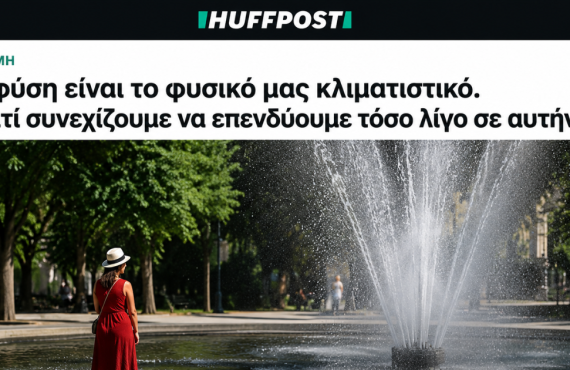
Nature restoration: our natural air conditioner against heatwaves
Against the backdrop of increasingly frequent and intense heatwaves across Europe, Maria-Christina Doulami, Communications Officer at The Green Tank, explores the vital role of nature in addressing the climate crisis in her latest opinion piece for HuffPost Greece titled “Nature Is Our Natural Air Conditioner. Why Do We Continue to Invest So Little in It?”. Forests, wetlands, seagrass meadows and urban green spaces are not only havens for biodiversity—they are essential natural infrastructure that cool our cities, reduce climate risks and strengthen the resilience of our communities.
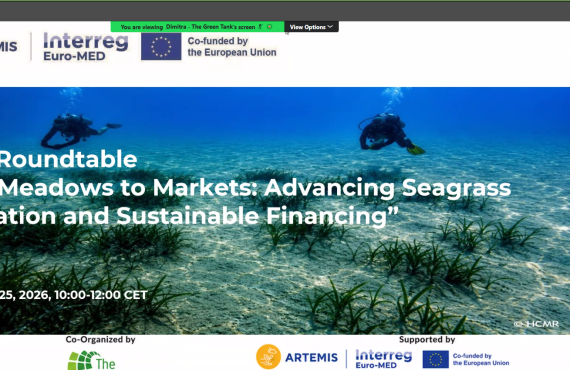
From Meadows to Markets: Advancing Seagrass Restoration and Sustainable Financing
How can the EU scale up the restoration of Mediterranean seagrass meadows? This and more were the central questions explored during the online policy roundtable "From Meadows to Markets: Advancing Seagrass Restoration and Sustainable Financing", co-hosted by MEP Dimitris Tsiodras and organised by The Green Tank in the framework of the ARTEMIS Interreg Euro-Med project on June 25, 2026.

Citizen participation in the energy transition is losing momentum: Slowdown in energy communities and self-generation
Energy communities and self-generation are the main tools enabling citizens, local communities, and small businesses to actively participate in the energy transition. However, the latest data point to a continuing slowdown, both in the development of new projects and in the implementation of existing applications. The Green Tank’s 9th review of energy communities and self-generation in Greece analyses the latest available data from HEDNO, IPTO and GEMI, highlighting the most important trends.
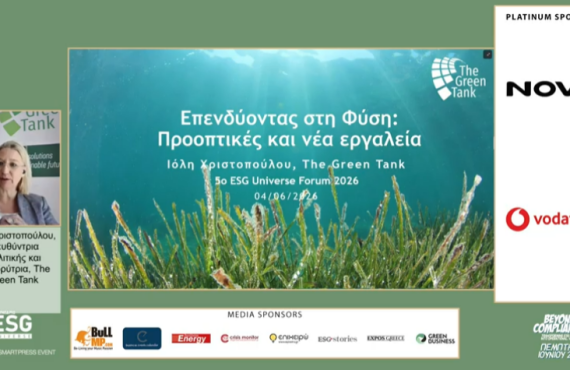
Investing in Nature: The Green Tank Highlights Nature Finance Opportunities at the 5th ESG Universe Forum
At the 5th ESG Universe Forum, Ioli Christopoulou, Policy Director and Co-founder of The Green Tank, highlighted the role of nature investments as a key tool for biodiversity protection, resilience building, and sustainable development.
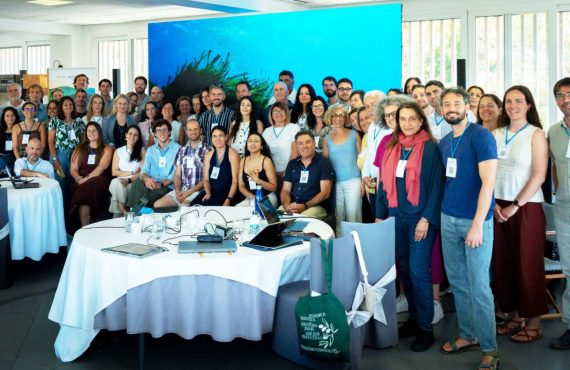
The Green Tank at the ARTEMIS Final Conference in Menorca: Policy and Financing for Seagrass Restoration Take Centre Stage
From 8 to 10 June 2026, The Green Tank joined fellow partners and associated stakeholders at the final conference of the Interreg Euro-MED ARTEMIS project in Menorca, Spain, contributing to discussions on advancing seagrass restoration across the Mediterranean.
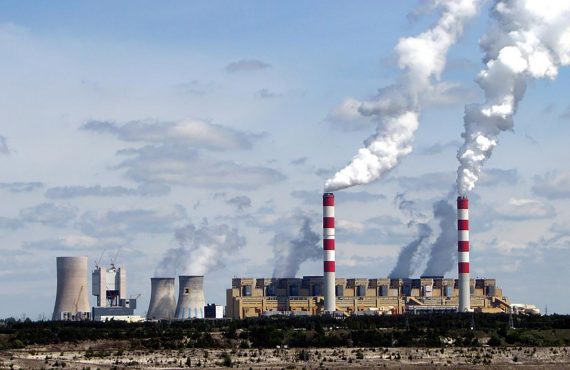
Poland: Europe’s last lignite stronghold commits to phasing out coal
After a two-year delay, Poland has finalised its National Energy and Climate Plan (NECP). The country with the historically highest share of lignite and hard coal in its energy mix has decided to permanently end the use of these two most polluting fuels by 2040.
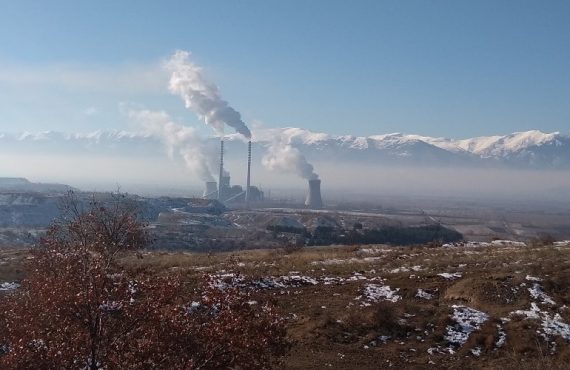
How much lignite does Greece export to North Macedonia?
In an article published by Chronos Kozanis, Nikos Mantzaris, Lead Policy Analyst and Co-founder of The Green Tank, examines Greece’s lignite exports to North Macedonia during the 2022–2026 period, shedding light on an aspect of the country’s lignite phase-out that has been at the center of public and parliamentary debate in recent years.

Trends in fossil gas consumption & imports – May 2026
Domestic gas consumption rose in May (4.6 TWh), mainly due to electricity generation (+15.4% compared to April). LNG imports via Revythousa ranked first with 1.85 TWh. However, Russian gas via Sidirokastro followed closely behind with 1.78 TWh. In the first five months of 2026, domestic consumption was at similar levels to last year (29.35 TWh), while LNG imports reached a record high (18.9 TWh), and gas exports quadrupled compared to 2025 (8 TWh).
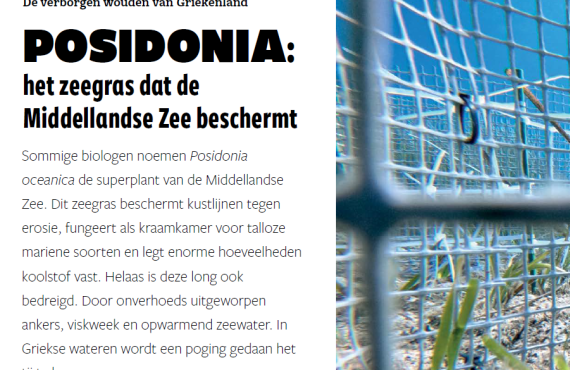
ARTEMIS project featured in Belgian Eos magazine: Highlighting the importance of Posidonia meadows in Greece
The Interreg Euro-MED ARTEMIS project was recently featured in an extensive article by science journalist Tom Peeters in the Belgian science magazine Eos Wetenschap. The article, titled “Posidonia: The Seagrass That Protects the Mediterranean Sea”, explores the ecological importance of Posidonia oceanica meadows, their role in biodiversity conservation, coastal protection and carbon sequestration, as well as the threats they face from anchoring, fish farming and climate change.

The carbon footprint of electricity production – April 2026
Emissions from electricity production reached a 12-month low in April 2026 (0.93 million tons) due to reduced use of fossil fuels, particularly oil (0.1 million tons). The average annual carbon intensity reached a new all-time low (233.4 g CO2/kWh). However, for the first four months, emissions totaled 4.9 million tons, with fossil gas accounting for 56.1%. Without RES curtailments during this period (885 GWh), carbon emissions would have been 12% lower.
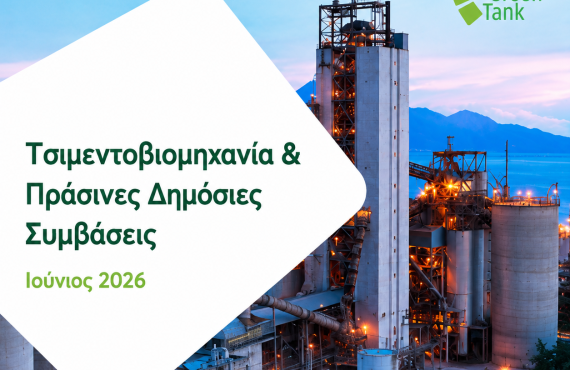
Green Public Procurement: Key to Decarbonizing the Greek Cement Industry
The cement industry is one of the most carbon-intensive industrial sectors globally. Yet its decarbonization is accompanied by significant technical and economic challenges. With the window for achieving the EU’s binding 2030 climate targets rapidly narrowing and the gradual phase-out of free allowances under the EU Emissions Trading System (EU ETS) affecting the sector’s competitiveness, closing the investment gap for decarbonization projects has become an urgent priority.


