


How much do electricity exports cost us?
The Green Tank’s new analysis , titled “Electricity exports from fossil gas: the cost to the Greek market and the climate”, quantitatively examines the impact of this additional use of fossil gas for electricity exports on Greece’s wholesale electricity market and on emissions from the power sector.

The Green Tank on SKAI Radio on electricity prices
Nikos Mantzaris, co-founder and energy policy analyst at The Green Tank, spoke to journalist Giorgos Psaltis on SKAI Radio about electricity prices, following the Prime Minister’s commitment, announced at the Thessaloniki International Fair (TIF), to reduce electricity bills by 30% over the next three years.

Trends in fossil gas consumption & imports – August 2026
In August, the highest Russian gas imports of 2026 via Sidirokastro (2.62 TWh) were recorded, while LNG imports via Amfitriti doubled (1.13 TWh). Domestic consumption remained flat at July’s levels (5.6 TWh). In the first 8 months, gas consumption by the grids sector reached a record high (9.3 TWh), gas use in electricity was the 2nd highest on record (31.6 TWh), while industry was limited to 4.7 TWh (-3.4% compared to 2025). LNG ranked 1st in imports for the first 8 months (27.9 TWh), reaching a historic high for this period of the year. Exports for the first 8 months

The Carbon Footprint of Electricity Production – July 2026
Emissions from electricity generation rose in July to 1.28 million tons (+25.6% compared to June), mainly due to increased gas use, which also pushed the carbon intensity above 200 g CO2/kWh (204 g CO2/kWh, +12.5%). However, for the first 7 months of 2026, emissions from the sector reached a historic low (8.23 million tons), mainly due to reduced use of lignite and oil in non-interconnected islands. Despite this historic low, the country has already emitted more than 90% of its annual carbon budget and is off track to meet the NECP the electricity production sector.

Trends in electricity production – July 2026
In July 2026, renewables broke the 3 TWh “barrier,” setting a record for monthly production at 3,097 GWh. By absorbing 22.8 GWh of renewable energy that would otherwise have been curtailed, batteries prevented 13.6% of curtailments, which totaled 144.9 GWh in July (or 4.5% of total renewable energy production). Cumulatively over the first 7 months of the year, clean energy sources (RES and large hydro) reached a record high (22,348 GWh), exceeding fossil fuels by 6.6 TWh. There was a significant decline in oil (-38.8%) thanks to the Crete interconnection. However, gas remained at high levels (12,876 GWh, just 3.8%
Trends in fossil gas consumption & imports – July 2026
Domestic gas consumption rose in July (5.6 TWh, +11.6) due to increased use in electricity generation. Cumulatively, consumption for the first 7 months of the year reached 40 TWh. LNG ranked first in imports (24.9 TWh), reaching a historic high. Gas exports (10.2 TWh) hit a 3-year high, with 83% going via Sidirokastro. Compared to the other EU-27 member states during the first half of 2026, Greece ranked 6th, reducing its gas consumption by 0.9% compared to 2025, while the EU-27 average was +1.12%.
The carbon footprint of electricity production – June 2026
Record low emissions for Greece’s electricity sector in the first half of 2026 (6.95 million tons), due to the interconnection of Crete. The sector’s carbon intensity was also at record low levels both in June 2026 (183.1 g CO2/kWh), and in the first half of 2026 (217.8 CO2/kWh) due to record production from renewables and large hydro, as well as reduced oil use in Crete. Despite the progress, Greece is off track to achieve its NECP commitments due to the maintenance of high fossil gas use.
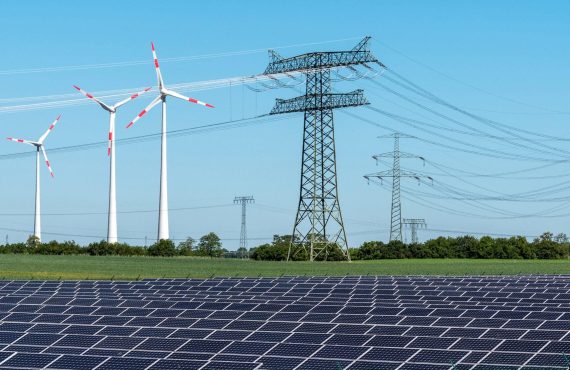
Energy policy in an era of geopolitical instability
In an article published in the GREEK ENERGY 2026 annual print edition of energypress.gr, Nikos Mantzaris, Senior Policy Analyst and Co-founder of The Green Tank, examines how growing geopolitical instability is reshaping Europe's energy policy.
Trends in electricity production – June 2026
In the first half of 2026, clean electricity generation (RES & large hydro) reached a record high of 18,791 GWh. It exceeded the production from the three fossil fuels combined by 5,709 GWh, despite the fact that 9.6% (1,601 GWh) of total RES generation was curtailed. From April -when they started operation- to June, batteries prevented only 2.2% of the curtailments, while they reduced gas production by just 0.6%. Fossil gas remained at high levels with 10,706 GWh and only 195 GWh lower production than the 2025 record, while net exports increased almost sevenfold compared to the first half of
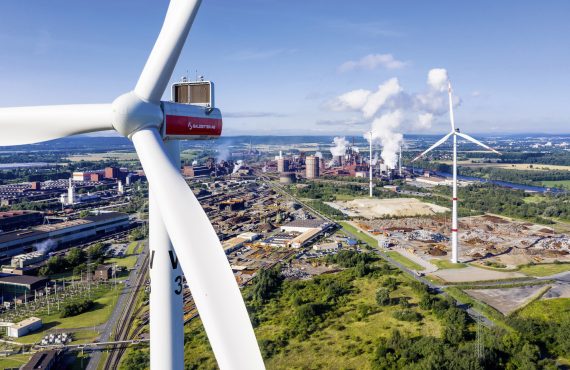
EU ETS revision: climate and competitiveness can go hand in hand
Following the European Commission’s proposal to revise the EU Emissions Trading System (EU ETS), Stavros Gennitsaris, Industrial Policy Associate at The Green Tank, explains in his energypress.gr article, “Revising the EU ETS: the choice is not between climate and competitiveness,” why maintaining a strong and credible EU ETS is not an obstacle to industrial competitiveness, but a prerequisite for it.
The Green Tank Newsletter #2 | April-June 2026
In this issue, we bring together the latest highlights from our work on energy, climate, nature and Just Transition. From Posidonia seagrass meadows and marine ecosystems to electricity prices, carbon emissions and fossil gas, and from power generation to buildings, transport and industry, we connect the different pieces of a transition that is moving forward—but not always at the same pace for everyone.
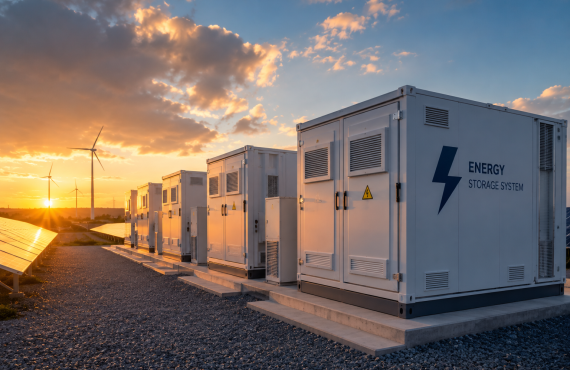
The first three months of battery storage in Greece’s electricity market
In a new article for energypress titled “An ‘X-ray’ of the marκet three months after the launch of operation of the first batteries”, Nikos Mantzaris, Lead Policy Analyst and Co-Founder of The Green Tank, analyses data from the first three months of battery storage operation (April–June 2026) and assesses their contribution to the electricity market.
Trends in fossil gas consumption & imports – June 2026
In the first six months of 2026, domestic gas consumption reached 34.4 TWh, down slightly from the all-time high set in 2025. LNG ranked first in imports for the six-month period and reached a record high (22.07 TWh), while imports via Sidirokastro continue as usual, though the majority are re-exported (7.35 TWh, 47.5% of the six-month total).
The carbon footprint of electricity production – May 2026
The carbon intensity of electricity generation reached a historic low in May 2026 (200 g CO2/kWh), as it also did for 2026 as a whole (227 g CO2/kWh), thanks to record-breaking generation from renewables and hydropower during the first five months. Without the significant curtailments of renewables during this period (1.3 TWh), the average carbon intensity would have been 14.2% lower and below 200 g CO2/kWh. The Agios Dimitrios lignite-fired power plant emitted 0.11 million metric tons during its final month of operation and 1.58 million metric tons over the five-month period, remaining the top polluter.


